
The short version
Stormwater basin maintenance requirements, in plain words
New Jersey’s Stormwater Management Rules (N.J.A.C. 7:8) require major developments to have a maintenance plan for their stormwater measures — basins, inlets, pipes and outlet structures. The plan names who is responsible, what gets inspected and how often, and what records are kept. That responsibility usually stays with the property owner or association, and municipalities are required under their stormwater permits to make sure these systems are maintained. See the New Jersey DEP stormwater program for the rules and the state’s BMP manual.
A written plan
Most sites have one from the original approval. If you can’t find yours, the township engineer or the design engineer usually can.
Regular inspections
Structures, inlets, outlets and vegetation checked on the schedule the plan sets, and after major storms.
Maintenance done
Sediment, trash and unwanted growth removed; damaged structures repaired.
Records kept
Dated logs of inspections and work, ready when the municipality asks.
Inspection
What a basin inspection looks at
A useful inspection follows the water from the inlets to the outfall.
Inlets and pipes
Sediment, leaves and trash in catch basins and inflow pipes that back water up into the lot.
The basin floor
Built-up sediment that reduces storage, and standing water in basins designed to drain dry.
Outlet structure and trash rack
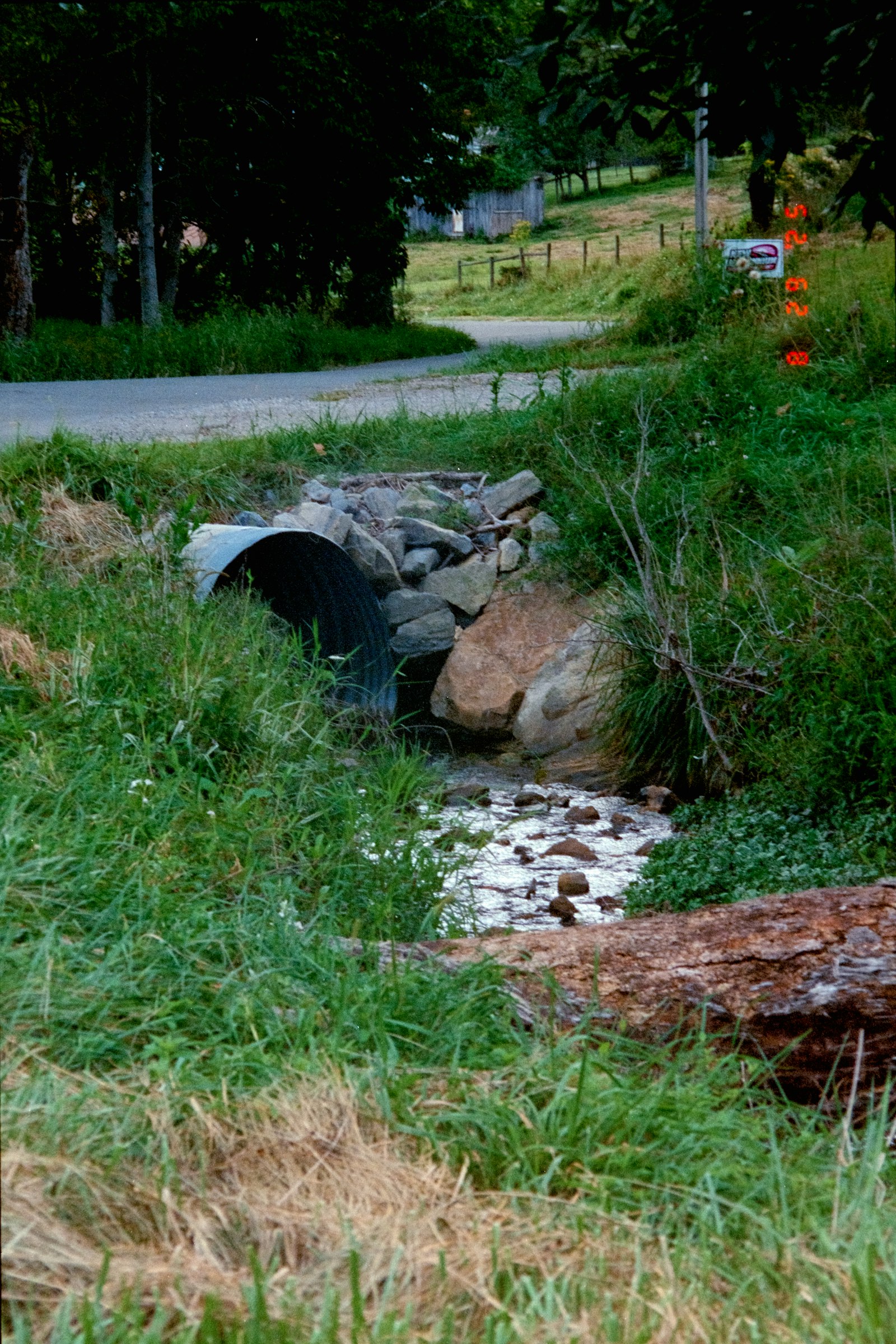
Clogged orifices, damaged grates and debris — the most common reason a basin floods.
Embankments and spillway
Erosion, burrows, and trees or woody growth on berms, which weaken them over time.

The work
Routine and corrective maintenance
Most of the work is routine; the expensive work comes from skipping it.
Mow and clear
Keep basin slopes and floors mown as the plan specifies; remove trash and debris.
Keep flow paths open
Clean inlets, trash racks and outlet orifices; vacuum or jet pipes when sediment builds up.
Remove sediment
Excavate built-up sediment to restore the design storage, and dispose of it through licensed channels.
Repair and stabilize
Fix eroded slopes, damaged structures and spillways, and re-establish vegetation.
Records
Logs a township will accept
Date and inspector
Who looked, and when — including after large storms.
Findings
What was found at each structure, ideally with photos.
Work done
What was cleaned, removed or repaired, and where waste went.
Next actions
Anything left open, with a date to close it.
Questions
What owners ask about stormwater basin maintenance
We inspect, maintain and document basins across Central New Jersey — call (732) 274-0496.
Is the owner really responsible for the basin?
Usually, yes — the maintenance plan approved with the development names the responsible party, which is typically the owner or the association. Check your plan and any recorded deed notice.
How often should a basin be inspected?
As often as your maintenance plan says, and after major storms. Plans set the frequency per structure.
What’s the difference between detention and retention?
A detention basin holds water briefly and drains dry; a retention basin keeps a permanent pool. They’re maintained differently, so the plan matters.
Where does removed sediment go?
It has to be handled and disposed of properly. We use licensed disposal and record it in the log.
Can you find our maintenance plan?
We can help you ask the right office for it and, if it’s missing, build an inspection routine on the state’s guidance in the meantime.
Related work
Where this guide fits
Illustration photos: Ilya Semenov, Brooke Balentine on Unsplash.
