
The township
Commercial snow removal East Windsor NJ, corridor by corridor
We are based on Friendship Road in Cranbury, about six miles up the road, so East Windsor sits early on our route. These are the four site types we clear here and what each one actually needs.
Route 130 and Route 33 retail
Highway-front lots with pad sites, drive-throughs and cart corrals. The constraint is the opening time, not the snowfall — the lot, the sidewalks and the entrances have to be done and salted before the first customer, and the curb cut onto a state highway has to stay clear while the plows are still running the road.
Twin Rivers and association property
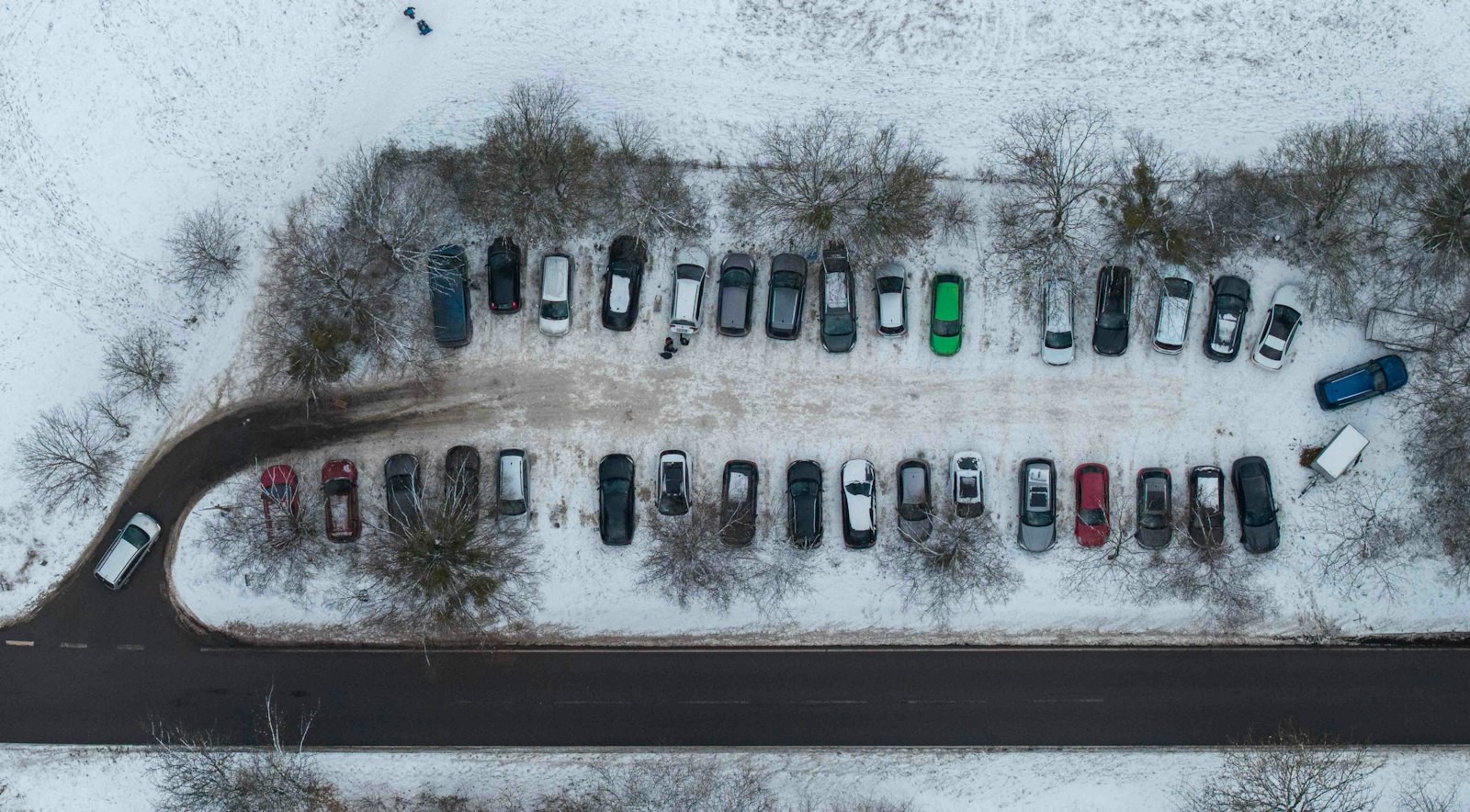
One of New Jersey’s original planned communities, which means miles of association-owned roads, parking bays, courts and connecting footpaths rather than one open lot. Snow has nowhere to go in a parking court, so stacking locations have to be agreed before the season and kept off the hydrants and the mailbox clusters.
Exit 8 industrial and warehouse
The Turnpike interchange brings distribution and light industrial traffic. Truck lanes and dock areas compact to ice fast under loaded trailers, so these sites get pre-treatment before the event rather than clearing after it.
Hightstown borough and the older commercial blocks
Tighter streets, on-street parking, storefront sidewalks and short loading zones. Smaller equipment and more hand work, and the snow usually has to be hauled off rather than piled.
What we do differently
The plan is made in October, not during the storm
Every East Windsor site we take on gets walked before the season, because the decisions that cause problems in January are all decisions you can make in the fall.
Stacking locations agreed on a map
Where the snow goes is the first argument of every winter in a tight lot or a parking court. We mark it, you approve it, and it does not get re-litigated at 4am.
Drains and hydrants stay out of the piles
A pile on a storm inlet is a flooded aisle during the thaw, and a buried hydrant is a fire-code problem. Both get marked before the first event.
Sidewalks written in as their own line
Walkways, entrances and the path from the far end of the lot are where claims come from. They get scoped, priced and logged separately rather than assumed.
Mercer County conditions, not a generic plan
East Windsor sits at the Mercer–Middlesex line, where a storm often changes character. Route 130 can be wet while the Twin Rivers courts are icing. Routes get sequenced for that.

The work
What a season looks like
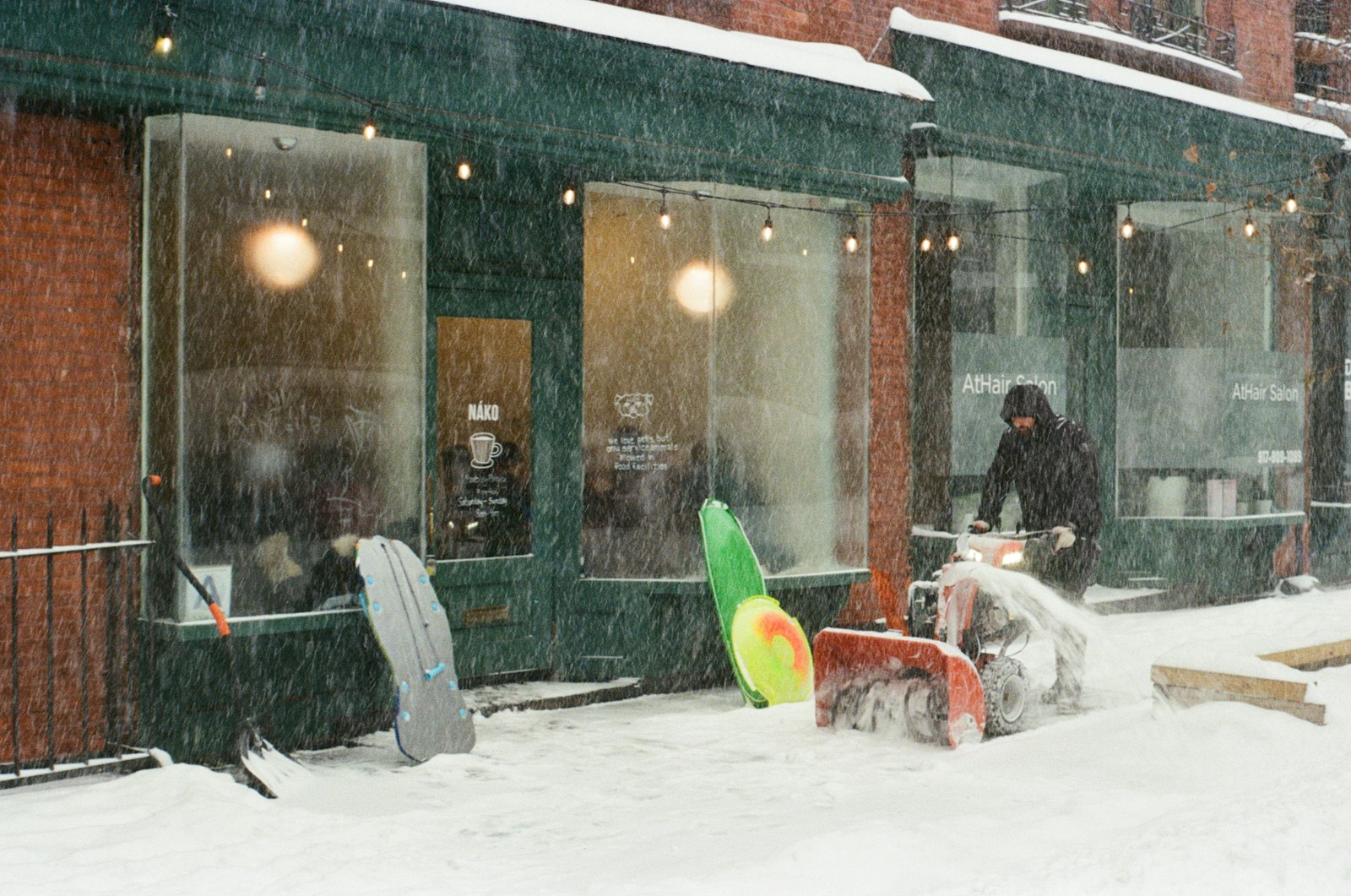
Snow service is mostly what happens before and after the event, not during it.
Pre-season site walk
We walk the property with you, mark stacking areas, drains, hydrants and anything that cannot be touched, and photograph existing pavement damage so nobody argues about it in April.
Anti-icing before the event
Treating the surface before snow falls stops the bond forming. It is the cheapest hour of the whole storm and the one that keeps a Route 130 lot from going to ice under traffic.
Plowing and salting during
Clearing to the agreed trigger, in the agreed sequence, with return passes through a long event. Entrances, walkways and accessible stalls are treated as part of the pass, not after it.
Post-storm cleanup
Widening back to the curb lines, clearing what the piles blocked, re-opening the accessible stalls and the access aisles, and hauling snow off where there is nowhere left to stack it.
The log
Every visit recorded: time on, time off, depth, materials, conditions. That record is what defends a slip-and-fall claim, and it is the thing most property managers only miss once. See how snow contracts are priced and documented.
Nearby
One contract across the corridor
East Windsor, Hightstown and the townships around them are all inside our normal route out of Cranbury. Multiple sites go on one agreement with one point of contact.
Questions
What East Windsor property managers ask
Call (732) 274-0496 for the office, or (732) 803-5656 during an event.
Do you work with homeowner and condo associations?
Yes. Association work in Twin Rivers and the other East Windsor communities is a large part of what we do here. It is a different job from a commercial lot — private roads, parking courts, footpaths and mailbox clusters, with residents parked in the way throughout. The plan has to say what happens to a court where nobody moved their car.
What is your trigger depth?
It is whatever your contract says. Two inches is the common default, retail with early opening hours often goes lower, and a zero-tolerance site means we are there for any accumulation. We would rather agree it in writing in October than interpret it in January.
Can you handle salt supply in a bad winter?
We buy and store ahead of the season rather than chasing the market during it, which is the only thing that reliably protects a client in a heavy year. We are members of the Snow & Ice Management Association and plan the season against their guidance.
Do you clear accessible parking and access aisles?
Yes, as part of every pass, and we re-clear them after the widening pass. Accessible stalls are the surface most often buried by a plow pile, and the one with the clearest legal exposure. Our ADA striping page covers the layout side of the same problem.
What else can you do while you are on site?
Most East Windsor clients use the same contract across the year — sweeping and pavement maintenance, landscape management and stormwater basin maintenance. One contractor, one invoice, and the crew already knows where your drains are.
Keep going
Related pages
What East Windsor properties usually look at next.
Illustration photos: Bernd Dittrich, Bradley Andrews on Unsplash.
