
The service
What right of way clearing covers
Corridors get cleared for three reasons: something has to stay visible, something has to stay reachable, and something has to keep draining. Most scopes are a mix of all three.
Rail corridors
Vegetation back to the clearance envelope, sightlines restored at grade crossings and signal locations, and the ballast shoulder kept clear so drainage works and track inspection is possible. This is the work that needs certified people on the ground, not just a crew with saws.
Utility easements
Transmission and distribution easements, substation perimeters, pipeline and forcemain routes. The goal is a corridor a line crew can drive in an emergency at two in the morning, in weather, without clearing their own way first.
Roadway and shoulder
Shoulders, embankments, guide-rail lines and intersection sightlines. Overhanging limbs taken back to the travel lane, sign faces and sight triangles opened up.
Drainage ditches and swales
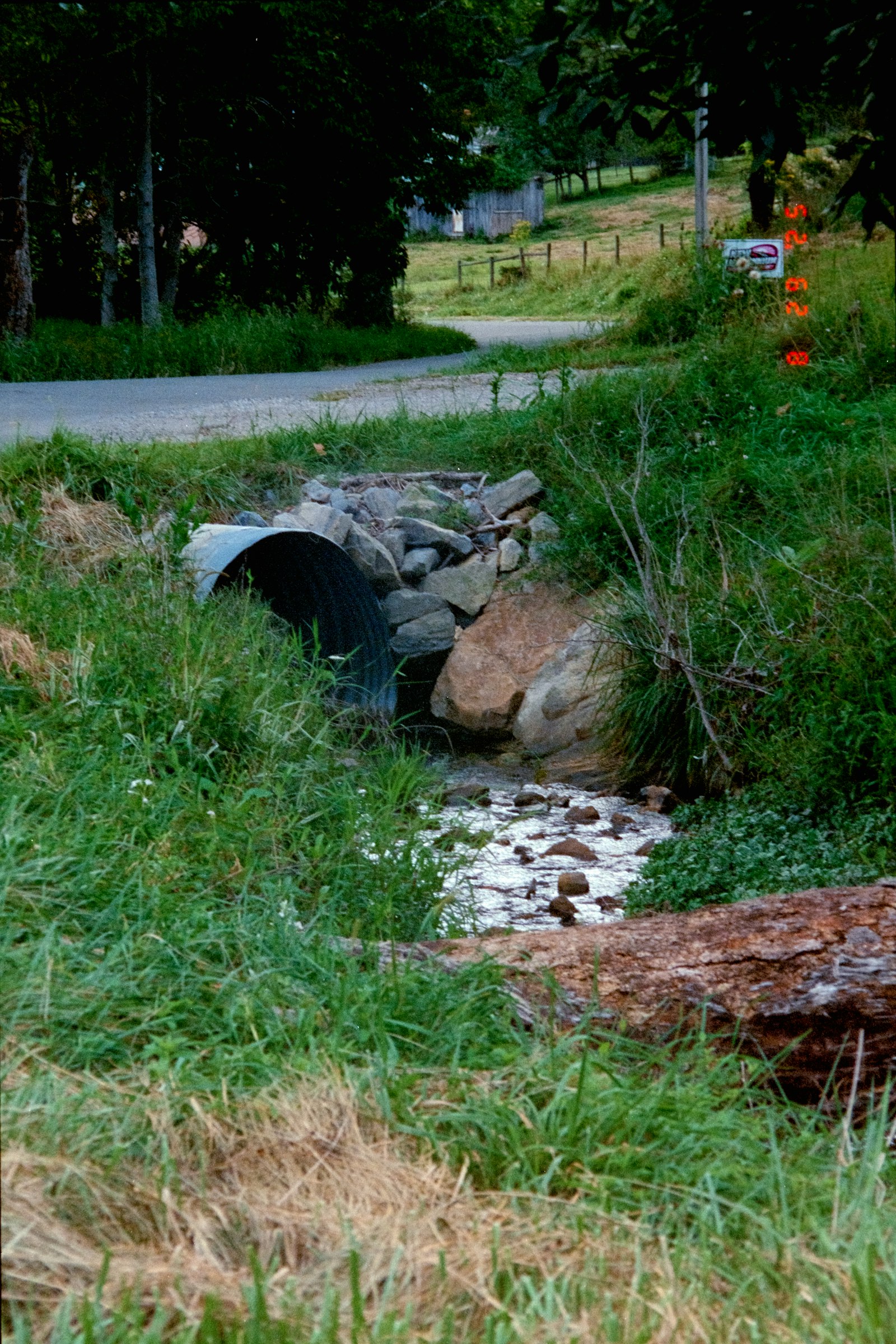
The ditch that runs the length of a corridor is the part everyone forgets. Silted and overgrown, it backs water onto the track bed, the shoulder or the neighbor’s field.
Why us
The certifications are the reason this page exists
Anyone can cut brush. Very few contractors in central New Jersey can legally put a crew inside an active rail corridor, and that is the constraint that decides most of these projects.
NJ Transit and Amtrak rail-safety certified
Our crews hold the rail-safety certifications required to work on and adjacent to active corridors, with the roadway-worker protection and flagging rules that come with them.
Registered public works contractor
Registered in New Jersey for public works, so municipal, county and authority contracts with prevailing-wage and certified-payroll requirements are routine rather than a first-time scramble.
EMR 1.0
An experience modification rate of 1.0 with a twenty-five-year operating history is what gets a crew through a utility or rail prequalification without a conversation about it.
One contractor for the whole corridor
Clearing, ditch work, access road repair, debris haul-off and the restoration afterwards come from the same company — the same crews that do our site work and excavating.

How a corridor job runs
Access and markout come before any cutting
On a lot, you show up and start. On a corridor, the first two steps take longer than the clearing.
Walk the corridor and fix the limits
We walk it with you and establish exactly where the right of way line falls. Corridor work goes wrong when a crew clears four feet onto an adjoining owner, and the only cure for that is knowing the line before the first cut.
Markout and conflicts
New Jersey One Call (811) markout for the whole run, plus the private facilities that 811 does not cover — signal cable, yard lighting, irrigation, fiber. Corridors are where everybody’s utilities end up.
Protection, flagging and windows
For rail and roadway work, the protection plan and the work window come first. Night and weekend windows are normal. We plan the day around the window rather than asking the owner to widen it, and we work to OSHA standards on fall, chainsaw and traffic exposure.
Clear to the specified envelope
Brush and saplings to grade, limbs back to the clearance line, stumps cut flush or ground where the scope calls for it. Herbicide only where the owner has specified it and a licensed applicator is appropriate.
Debris, ditches and restoration
Chip on site where that is acceptable, haul out where it is not. Ditches regraded to drain, disturbed areas stabilized and seeded so the corridor does not come back as bare soil in a rainstorm.
Timing
Dormant season is corridor season
There is a reason most corridor clearing contracts run from late fall through early spring.
You can see the line
With leaves down, the right of way limits, the drainage and the real extent of the growth are all visible. Scoping a corridor in July is guesswork.
Ground carries equipment
Frozen or firm ground means tracked equipment can work the shoulder and the embankment without rutting it, which matters on a corridor you cannot regrade afterwards.
Nesting windows
Clearing woody vegetation in the dormant months avoids active nests. It keeps a project from stopping in week two, and it is the right way to do it. Rutgers Cooperative Extension publishes the New Jersey timing guidance.
It pairs with winter work
Crews that are out on snow and ice standby anyway can run corridor clearing between events, which is usually the most efficient way to buy it.
Where we work
Corridors across Middlesex, Mercer, Monmouth and Somerset
Based in Cranbury on Friendship Road, within reach of the Northeast Corridor, the Route 130 and Route 1 corridors, and the Turnpike Exit 8A logistics belt.
Questions
What owners and engineers ask
If your question is not here, call (732) 274-0496 and ask for the corridor work.
Is right of way clearing different from land clearing?
Yes. Land clearing opens an area — a pad, a lot, a field. Right of way clearing maintains a line: long, narrow, bounded by someone else’s property on both sides, and usually in service while you work. The equipment overlaps; the planning does not.
Can you work inside an active rail corridor?
Yes. Our crews are NJ Transit and Amtrak rail-safety certified, which is the prerequisite for working on or adjacent to live track, together with the owner’s protection and flagging requirements. The rest of our credentials are listed on the certifications page.
Do you handle prevailing wage and certified payroll?
Yes. We are a registered public works contractor in New Jersey, so prevailing-wage rates and weekly certified payroll are part of our normal administration on public contracts.
What happens to the brush?
It depends on the corridor. Chipping and blowing back on site is the cheapest option and is fine on many utility easements. Rail ballast shoulders and roadway work usually require haul-off, which we handle with our own debris removal equipment.
Can you do this as an annual cycle instead of a one-off?
That is usually the better buy. A corridor cleared once and then maintained on a two- or three-year cycle costs a fraction of letting it grow back into a full clearing project, and it keeps the sightlines compliant in between.
Keep going
Related work
Corridor work rarely arrives alone. These usually come with it.
- Land and ground clearing — opening an area rather than maintaining a line
- Site work and excavating — access roads, grading and drainage
- Guide: right of way clearing vs land clearing vs forestry mulching
- Guide: who maintains the utility easement on your property?
- Stormwater basin maintenance — where corridor drainage usually ends up
- Certifications, registrations and insurance
- Land clearing and forestry mulching across New Jersey
Illustration photos: Declan Sun, Michael Smith, Brooke Balentine on Unsplash.
