
Telling them apart
Detention basin vs retention pond: the one test that settles it
Walk out three days after a storm and look. If it is dry, it is a detention basin. If there is still a pool and there always is, it is a retention pond. Everything else follows from that.
Detention basin — dry between storms
Holds runoff temporarily and releases it slowly through a restricted outlet, so the peak flow leaving your site is no worse than before the site was built. The floor is usually grass, there is a low-flow channel running to the outlet, and in normal weather you could mow it. Sometimes called a dry basin or a dry pond.
Retention pond — permanent pool
Holds water all the time and only the volume above the permanent pool moves. The standing water is the treatment: sediment settles out and biological processes work on nutrients. Also called a wet pond. This is what most people picture when they say pond.
Infiltration basin — the third type
Looks like a dry basin but is designed to put water into the ground rather than release it downstream. The floor is the working surface, so compaction and sediment are fatal to it. Never drive equipment across one without knowing what it is.
Why it matters
The same neglect produces two different failures
Treating a wet pond like a dry basin, or the reverse, is how maintenance money gets spent on the wrong thing.
A dry basin fails by staying wet
Blocked low-flow orifice, silted channel, or a floor that has compacted and stopped draining. The symptom is standing water and mosquitoes in something designed to be dry — and lost storage volume for the next storm.
A wet pond fails by filling in
Sediment accumulates in the forebay and then the main pool, the permanent volume shrinks, and the treatment stops working. Shoreline erosion and algae follow. The symptom looks cosmetic long before it is.
Both fail at the embankment
Woody vegetation on a berm is the finding both types share, and the one that gets most expensive if it waits. Roots create seepage paths through an earthen structure.
Both fail at the outlet
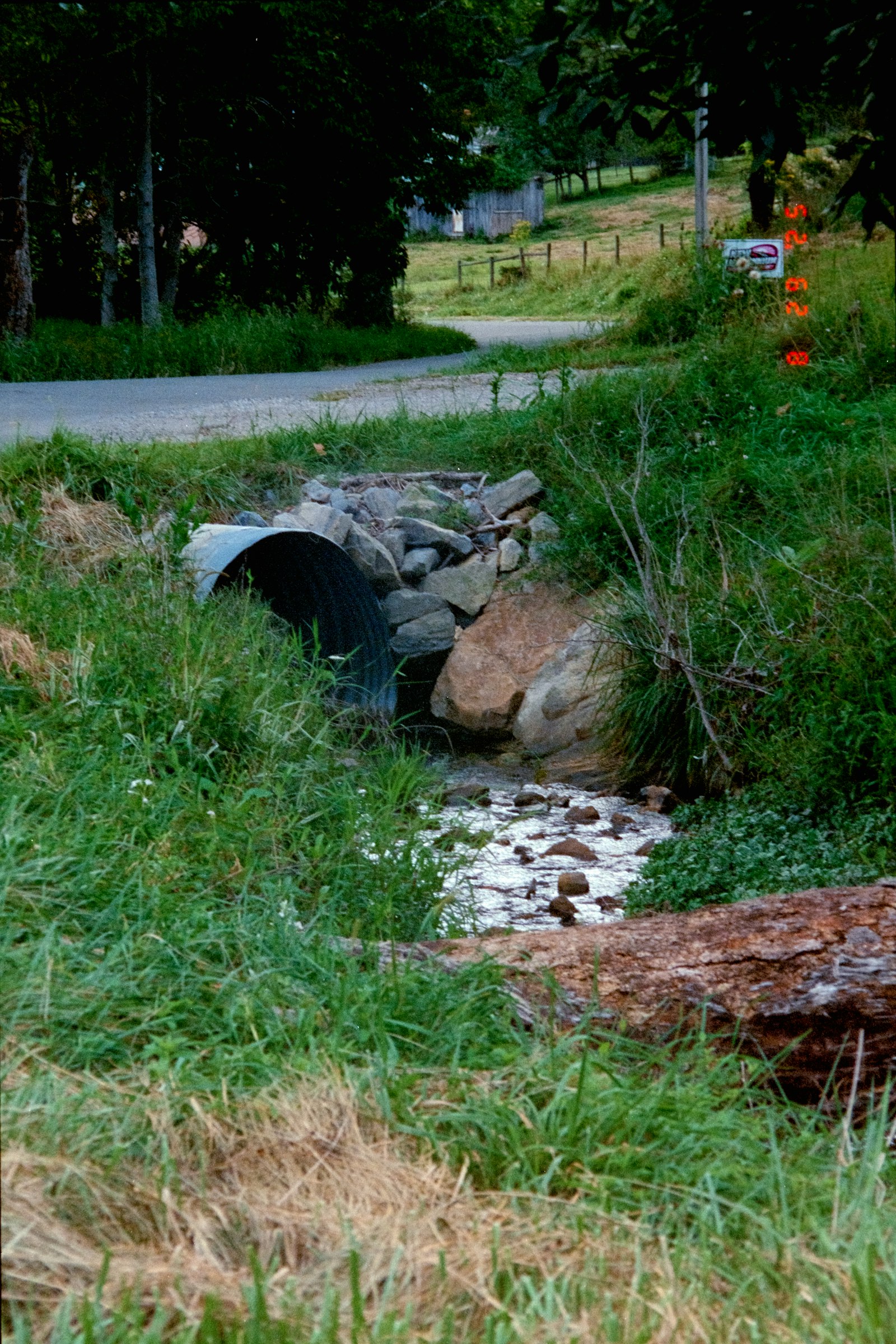
The orifice, trash rack and riprap apron are small, cheap and the first thing to block. More basins are out of compliance because of a clogged outlet than for any other single reason.

The work
What each one actually needs
Routine maintenance differs more than the shared name suggests.
Dry basin: mow, channel, outlet
Mow the floor and side slopes on a schedule so woody growth never establishes. Keep the low-flow channel defined so it drains. Clear the inlet, outlet and trash rack after events. Remove sediment from the forebay before it reaches the main floor.
Wet pond: shoreline, vegetation, forebay
Manage the shoreline against erosion, control invasive aquatic and edge vegetation, address algae at the cause rather than with a one-off treatment, and clean the forebay on a cycle — it is designed to catch sediment so the main pool does not have to.
Both: embankment and records
Keep all woody vegetation off the embankment and the emergency spillway, inspect after significant storms, and keep a written record with photographs. The record is what the township asks for. What New Jersey requires covers that in detail.
Cleaning or clearing when it has gotten away
Heavy vegetation, blocked structures and accumulated sediment are a catch-up project rather than routine upkeep. That work is retention pond clearing and basin cleaning, and it is best done in winter when the basin is at its lowest and the ground carries equipment.
Finding out
How to confirm what you have
If you are not sure, four steps settle it without hiring anyone.
Look three days after rain
Dry floor means detention. Permanent pool means retention. This single observation is right the large majority of the time.
Find the stormwater maintenance plan
Every approved basin in New Jersey came with one. It names the facility type, the inspection schedule and the maintenance tasks. Your title file may have it; the township engineering department almost certainly does.
Look at the outlet structure
A dry basin has a low-flow orifice at or near the floor. A wet pond’s outlet sits at the permanent pool elevation with the storage above it. The structure tells you the design.
Check the as-built
Elevations on the as-built tell you how much storage you have lost to sediment. Without one you are estimating. The New Jersey DEP stormwater program explains the framework these were approved under.
Questions
Detention basin vs retention pond: common questions
Call (732) 274-0496 and we will walk it with you.
People keep calling mine a retention pond but it is dry. Which is it?
Then it is a detention basin, and the name is just local habit. It matters because a contractor who quotes pond work on a dry basin is quoting the wrong scope.
Is standing water in a dry basin a code problem?
It is at minimum a maintenance finding, and often a mosquito complaint. A detention basin that does not drain down is not providing the storage the site was approved for, which is the actual compliance issue.
Who is responsible for maintaining it?
Normally the property owner or the association, under the maintenance plan that came with the approval. That obligation does not expire and it transfers with the property, which surprises a lot of new owners.
How often should it be inspected?
Your maintenance plan sets the schedule. In practice: a few times a year, plus after any significant storm, plus a hard look each winter when you can see the structure.
Can you handle both types?
Yes, including infiltration basins, which need the most care about what drives across them. See stormwater basin maintenance for the routine cycle.
Keep going
Related pages
The stormwater cluster.
Illustration photos: Ilya Semenov, Brooke Balentine on Unsplash.
