
What we stripe
Parking lot striping is the whole layout, not just the stalls
Most lots have more paint on them than the owner remembers. When we scope a re-stripe we walk every marking, because the parts that fade first are usually the ones that matter most.
Stalls and drive aisles
Standard and compact stalls, angled or 90-degree, double-line or single. If the layout no longer works — trucks parking across two stalls, a dead-end aisle — re-striping is the moment to change it, because the paint is going down anyway.
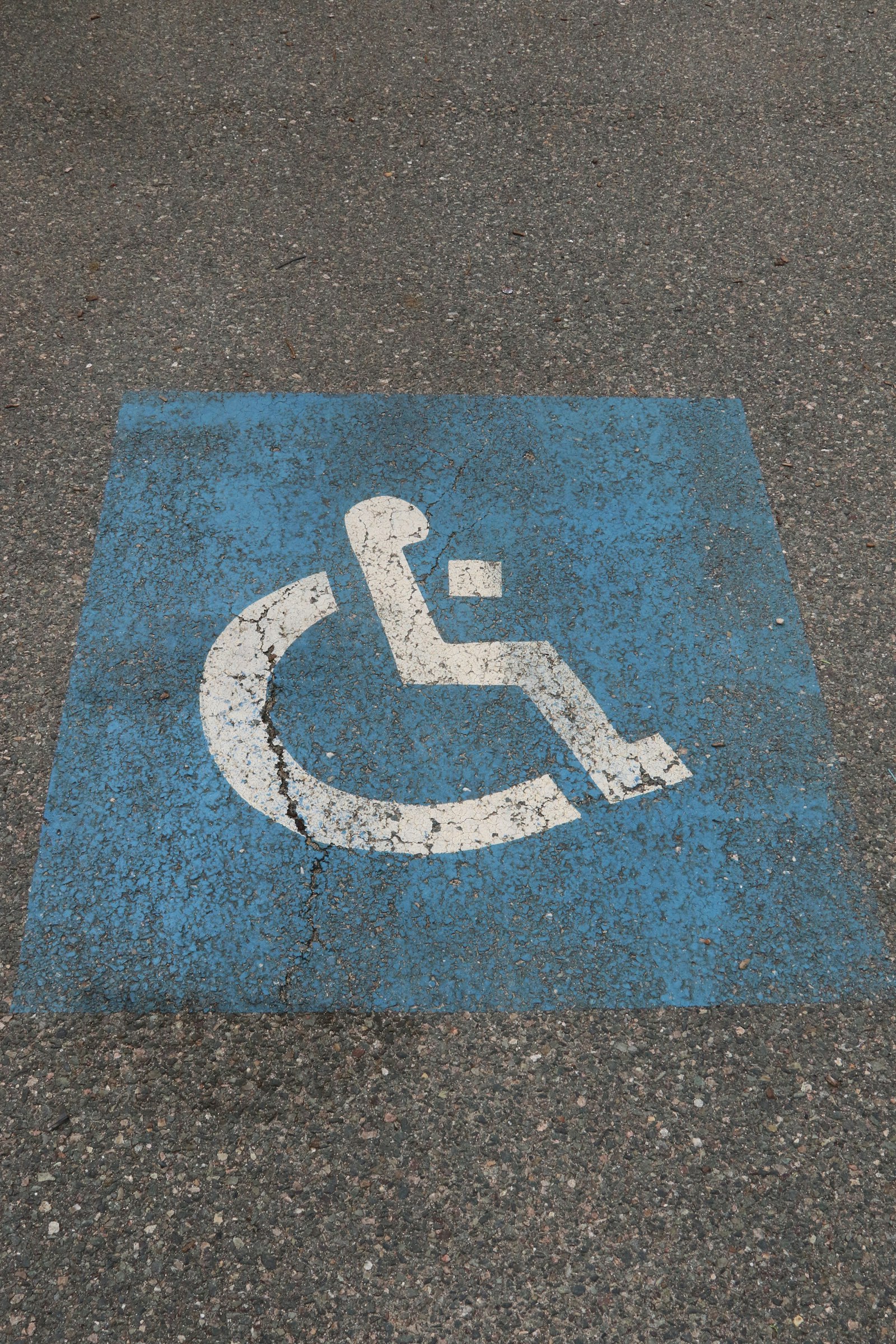
Accessible spaces
Van-accessible and standard spaces, access aisles, the symbol and the signage that goes with them. Counts and dimensions follow the 2010 ADA Standards for Accessible Design; our ADA parking striping guide explains the rules in plain words.
Traffic markings
Directional arrows, stop bars, crosswalks, STOP and SLOW legends, speed humps and loading-zone hatching. Shapes and colors follow the conventions in the federal MUTCD so drivers read them without thinking.
Fire lanes and curbs
Fire lane striping and lettering, red and yellow curb lines, and no-parking zones. The local fire official decides where the fire lane goes and how it is marked; we lay it out to their requirements, not ours.
When to re-stripe
Lines fade on a schedule you can predict
Traffic paint wears where tires turn and where plows scrape. On a busy retail or medical lot that is usually every year or two; a quiet office lot lasts longer. A few things move the date forward:
Right after sealcoating
Fresh sealer covers every line on the lot. Striping is the last step of a sealcoat job, and it should be booked in the same visit, not left for later.
After a hard winter
Plow blades and salt take the top off paint. The stop bars and crosswalks at the entrance are always the first to go.
When the use changes
A new tenant, a medical office replacing retail, or a site adding EV chargers or loading space usually means a new layout, not a repaint.
Before an inspection or a sale
Accessible-space compliance and fire-lane markings come up in inspections, insurance walk-throughs and due diligence. It is a cheap item to clear before someone writes it up.

How it runs
From layout walk to a lot that is open again
Striping is fast. The planning is the part that decides whether your tenants notice.
Walk and measure
We walk the lot, count stalls and accessible spaces, and mark anything that does not match the current layout or the current standard. If you have a site plan, we work from it.
Agree the layout
Same layout repainted, or a revised one. If it changes, you see it before any paint goes down.
Clean the surface
Paint does not stick to grit. The lot gets swept first — by our own power sweeping crew — so the new lines bond to pavement, not dust.
Stripe in sections
We work section by section, at night or on weekends where the site needs it, so part of the lot stays open. Traffic paint needs dry pavement and mild temperatures, so spring through fall is striping season in New Jersey.
Hand back the count
You get the final stall and accessible-space count and photographs of the finished layout.
One contract
Striping is the last step of a pavement program
Lines last longer on good pavement. The order matters:
Repair
Potholes and failed areas patched first — asphalt repair and sealcoating.
Crack seal
Cracks sealed so water stops getting under the surface — see sealcoating vs crack filling.
Sealcoat
A new wearing surface every few years, which covers the old lines.
Stripe
New lines on a clean, sealed surface. Then the cycle starts again.
How long before cars can park on new lines?
Traffic paint is usually dry to drive on within an hour in good weather. We cone each section until it is ready and open the lot back up behind us.
Can you stripe at night or on weekends?
Yes. Retail, medical and office lots are usually done outside business hours so the lot stays usable. Overnight work needs dry pavement and temperatures that let the paint cure.
Do you lay out the accessible spaces to code?
We lay them out to the 2010 ADA Standards for Accessible Design and to any local requirement the township has on top. If your current count is short, we tell you before we paint.
Can you change the layout to fit more stalls?
Often, yes — especially on older lots with wide stalls or unused hatched areas. Stall size minimums are set by township ordinance, so we check the local rule first.
Do you also paint curbs and fire lanes?
Yes. Red, yellow and white curb lines, fire lane striping and lettering, and no-parking zones, to the fire official’s marking requirements.
Keep going
Related pavement work
Striping lasts longer when the pavement under it is looked after.
Illustration photos: Mick Haupt, David Trinks on Unsplash.
